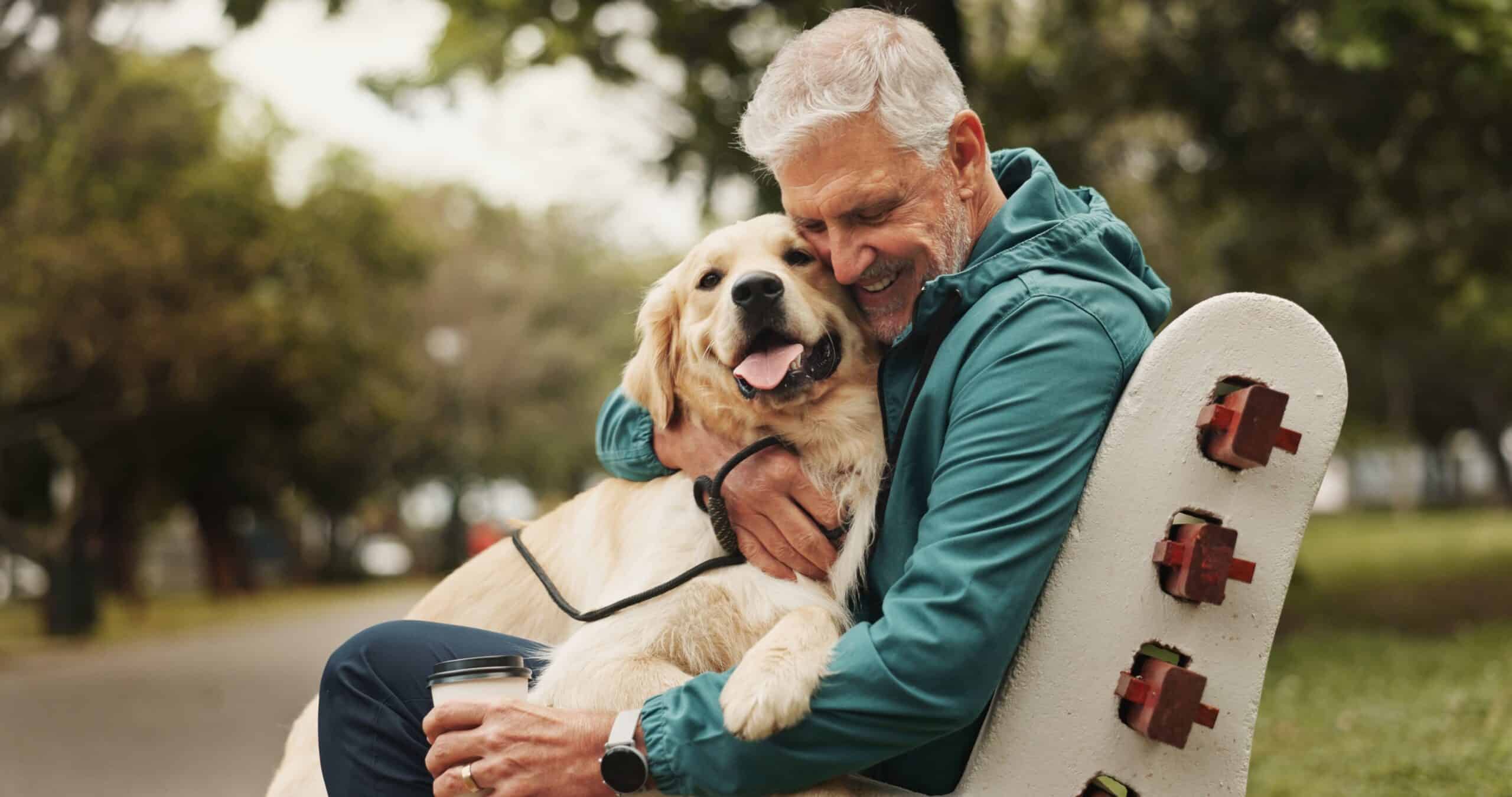
Daily life keeps families busy. For aging parents, this often results in a quiet level of loneliness. Although this is a social concern, loneliness has also been tied to mental health conditions like depression. To combat this, finding your parents a pet is a viable way to provide a loyal, loving companion.
Pets can provide the same companionship benefits as people, offering a powerful source of comfort, emotional support, and daily purpose. A 2025 Canadian survey finds that a majority of pet owners report mental health and cognitive benefits. In this post, we’ll explore the role of pets in senior companionship and steps to choosing the right pet for your parent.
The Emotional Benefits of Pets for Seniors

It’s common to see loved ones struggle emotionally as they age, and it’s not so simple as to drop everything and keep them company. Parents aging at home, in particular, need to feel supported, without feeling as though they’re losing their independence.
Pets offer love and attention, which helps support emotional health in various ways:
- Reducing loneliness and social isolation when the family can’t visit every day.
- Offering unconditional love and non-judgmental companionship.
- Caring for a pet creates routine, responsibility, and joy in daily life.
Seniors may find a newfound sense of purpose in caring for a pet. In addition to reducing stress and improving mood, studies show that older adults with pets are 36% less likely to report loneliness. This extends to families, who know that long-term mental health is enhanced and that the pet provides peace of mind by having a trusted companion available at all times.
Physical Health Benefits

In addition to offering emotional benefits, pets can encourage seniors to be more active. For seniors who struggle to improve mobility, a pet can encourage movement. Playing with and walking with an animal improves physical activity in a few ways:
- Improving cardiovascular health by lowering blood pressure and cholesterol levels.
- Encouraging better sleep patterns and daily routines from lower stress levels
- Exercising more by walking the pet or playing with them.
Research supports a positive impact of pets on physical health, reporting that 49% of pet owners over 55 experienced lower stress levels and increased activity.
Social Benefits
Seeing your parent struggling with feelings of loneliness and isolation is a common problem for any adult child. Research indicates that owning a pet can improve social support, helping alleviate feelings of isolation and facilitating conversations with other pet owners in the community.
- Combating Isolation: Pets provide consistent companionship, reducing loneliness, which is a major factor in declining mental health, especially for older adults.
- Social Connections: Dogs act as natural “social magnets,” prompting conversations at dog parks or during walks with neighbours, making social interactions more comfortable and frequent and creating opportunities to form friendships.
- Substitute for Partners: Pets offer unconditional love and a safe space, acting as an emotional substitute for partners, particularly for those who are widowed or unmarried.
80% of pet owners over 55 years of age report social benefits from pet ownership, including greater socialization. Owning a cat or dog reassures families that pets help reduce loneliness and provide opportunities for human-to-human interaction.
Pets and Cognitive Health
The emotional, physical, and social benefits of pet ownership are associated with improved cognition among pet owners. If you’re worried your parent isn’t getting enough mental stimulation to support their cognitive function, a pet can address those worries.
While pets can be an effective method in helping boost your parent’s cognition, our team’s companionship support services can provide your parent with tailored, personalized care for that extra peace of mind.
Choosing the Right Pet for a Senior

It may be tempting to choose the cutest pet for your parent; after all, you’d want what’s best for them. But it’s important to find the right fit. A companion that suits their lifestyle, health and comfort level to add joy to your parents’ life, rather than stress.
Consider these factors when deciding on a pet:
- Energy levels: A high-energy dog may be overwhelming, while a calmer cat can offer comfort without constant demands.
- Size and strength: Smaller animals are often easier to manage, especially for seniors with limited mobility or balance concerns.
- Maintenance needs: Feeding schedules, grooming, litter box maintenance, and cleaning should be manageable on a daily basis.
- Temperament: Gentle, predictable pets tend to be better companions, particularly for seniors living with cognitive changes.
For many older adults, certain pets tend to suit their needs:
- Small dogs offer loyalty and routine without requiring intense exercise.
- Cats provide affection and companionship while remaining largely independent.
- Birds or fish can bring daily structure and calm without physical strain.
When a live pet isn’t realistic, alternatives still exist. Robotic companion pets and visiting therapy animals can offer comfort, reduce anxiety, and create moments of connection, without the responsibilities of long-term care.
Challenges and Considerations
While comforting companions, there are also considerations and challenges to weigh as to whether a pet is a good fit for your aging loved one. These factors include:
- Physical limitations or balance concerns can make certain tasks difficult, such as bending to fill bowls, managing leashes, or cleaning up after a pet.
- Costs are another factor to plan for, including unexpected veterinary visits, possible income changes, and ongoing expenses like food, grooming, and supplies.
- Allergies to certain pets or breeds can bring more trouble to your parents’ home than intended.
It’s also worth thinking years ahead. If your parents’ health changes, who will step in to help care for the pet? Having a plan, whether that’s family involvement or personal support, protects your loved one and their companion.
How In-Home Caregivers Support Seniors with Pets
In-home caregivers can provide support to both your loved one and their pet. This might look like:
- Helping with walks, feeding, litter changes, and routine care.
- Coordinating vet visits or pet-related errands.
- Supervising to ensure safe, healthy interactions are handled gently.
This added layer of support allows seniors to enjoy companionship without feeling overwhelmed, and gives families confidence that nothing is being overlooked.
A Little Companion, A Lot of Peace of Mind
Pets can enrich a senior’s life emotionally, physically, and socially, but the greatest benefits come when companionship is balanced with appropriate support. With thoughtful planning and extra help when needed, pets can become a steady source of comfort rather than a source of stress.
If you’re exploring ways to support your parent at home, including help with daily routines and pet care, contact Assurance Home Care to learn how personalized in-home caregiving can make all the difference.
About The Author
Stephen Bleeker
Stephen Bleeker is dedicated to redefining senior care as the CEO and founder of Assurance Home Care. His passion for enhancing the quality of life for seniors is at the heart of the company’s mission, which focuses on supporting aging in place through compassionate, personalized care. With a diverse background spanning music, lifestyle, and entertainment, Stephen brings a unique blend of creativity and strategic insight to the healthcare industry. His knack for innovation, customer experience, and holistic marketing has consistently led to exceptional outcomes, making him a dynamic leader who’s transforming how care is delivered.