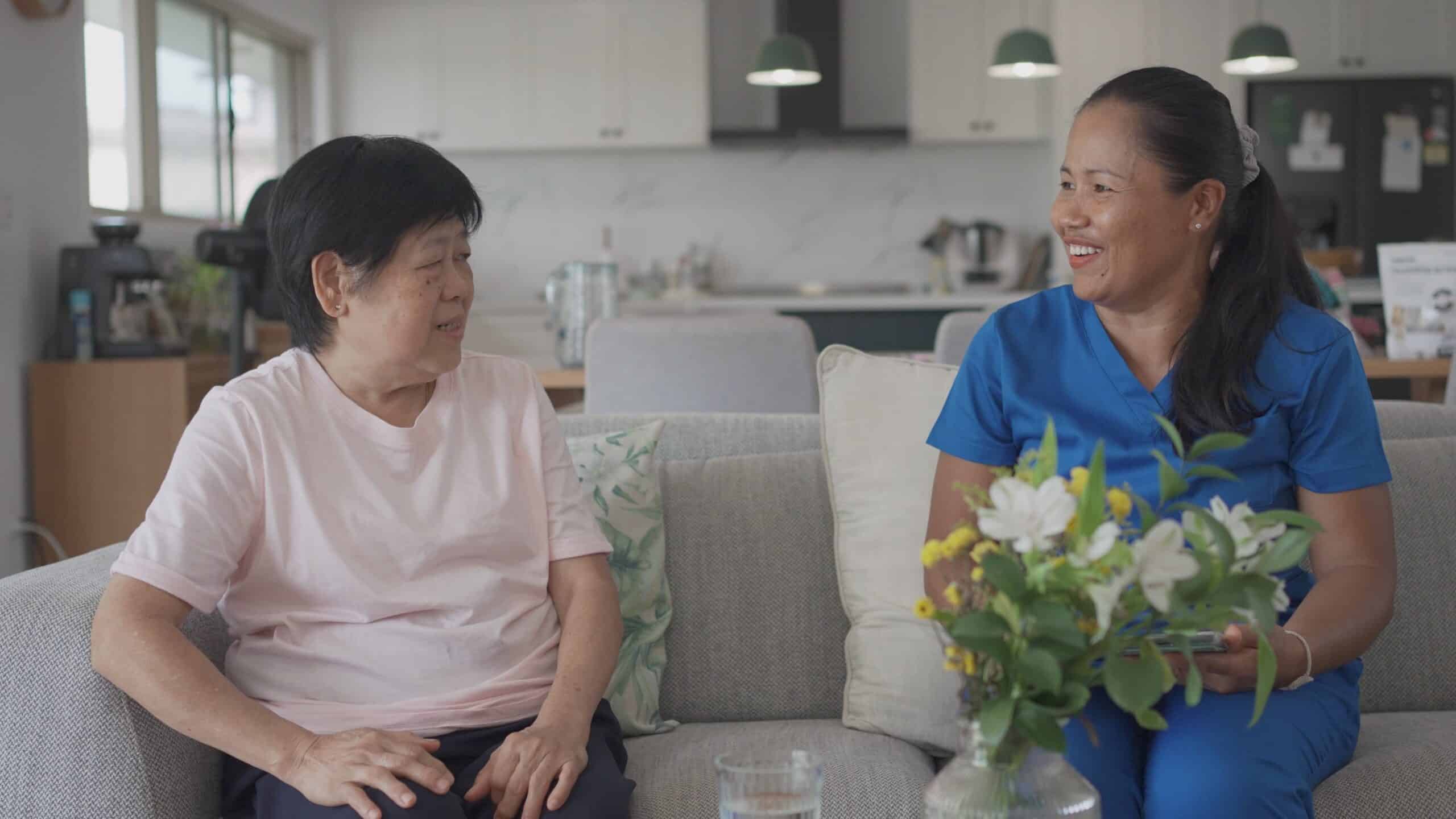
Finding ways to support your aging loved ones can feel overwhelming. While in-home care allows parents to age in place and retain independence, nursing homes provide community living with professional support. Choosing the right option starts with understanding both.
At Assurance Home Care, we advocate for families, helping them make informed and compassionate decisions. Both care types offer benefits for aging adults; our goal is to help you match the type of care to your loved one’s needs. Here, we’ll explain key differences and discuss which case may be the most suitable choice for your family.
What is In-Home Care?
In-home care centres on supporting daily life at home. Instead of relocating, your family member can receive personalized assistance tailored to changing needs and evolving circumstances.
In-home care includes:
- Companionship and respite care, which provide connection while giving existing caregivers time to rest or manage other responsibilities.
- Personal care. This encompasses medication reminders, mobility assistance, and support with bathing, grooming, cooking, and cleaning.
- Dementia and Alzheimer’s care focuses on tailored and emotional support to ensure routine, familiarity, and continuity.
- Flexible scheduling options, from a few hours a week to overnight, live-in, or 24/7 care.
What sets home care apart is its flexibility. Care plans are built around the individual, allowing support to adapt without disrupting the comfort of familiar surroundings. For many families, this flexibility translates into greater peace of mind and less stress as care needs change.
What is a Nursing Home?
Nursing homes are residential care facilities providing ongoing medical supervision and structured daily care. Care is delivered within a shared setting, with routines and services organized at the facility level.
Nursing homes offer:
- 24/7 assistance with complex medical conditions that require regular monitoring.
- Rehabilitation services such as physiotherapy or occupational therapy.
- Scheduled meals, housekeeping, and laundry services.
- Communal activities and shared social programming.
Nursing homes are often better suited for individuals with advanced medical needs that require ongoing monitoring. While this environment provides a high level of medical structure, it also requires adjusting to shared spaces, set routines, and less individualized daily flexibility than care delivered at home.
Key Differences Between In-Home Care and Nursing Homes

When families weigh in-home care against nursing homes, the decision often comes down to how care fits into daily life, personal preferences, and long-term quality of living. The differences below reflect how each option approaches independence, support, and flexibility.
1. Level of Independence and Comfort
In-home care:
- Care takes place in familiar surroundings, allowing seniors to age in place.
- Daily routines, preferences, and personal habits can remain unchanged.
- Independence is supported rather than replaced, with help layered in where needed.
Nursing homes:
- Moving into a shared residential setting requires an adjustment period.
- Daily life follows more structured schedules set by the facility.
- Independence may be more limited due to standardized routines and shared spaces.
2. Personalization of Care
In-home care:
- One-to-one support tailored to individual needs and routines.
- Care plans adapt as needs change, without disrupting daily life
- Continuity with consistent caregiver matching.
Nursing homes:
- Care is often less individualized and delivered by shared staff supporting multiple residents.
- Routines and care approaches are more standardized across residents.
3. Social Connection vs. Isolation
In-home care:
- Ongoing connection to family, friends and neighbours.
- Ability to remain involved in familiar interests.
- Continued companionship from pets, which can be especially grounding for seniors.
Nursing homes:
- Built-in group activities and social programming to meet peers in similar life stages.
- Social settings may feel overwhelming or impersonal for some individuals.
4. Safety and Medical Support
In-home care:
- Suitable for many health conditions with support from trained PSWs and nurses.
- Supervision, mobility support, and medication reminders reinforce safety.
- Adaptable services, also tailored for individuals facing severe or complex medical challenges.
Nursing homes:
- Designed for individuals with severe or complex medical needs.
- Access to on-site clinical staff and medical supervision.
- Structured environments that prioritize medical stability and monitoring.
5. Costs & Flexibility
In-home care:
- Pay only for the services and hours required.
- Schedules can be adjusted as needs change.
- No long-term contracts, allowing care without major commitments.
Nursing homes:
- Usually, a fixed monthly fee for housing, staffing, and medical services.
- Less flexibility to scale care up or down without changing placement.
When In-Home Care Is the Better Choice
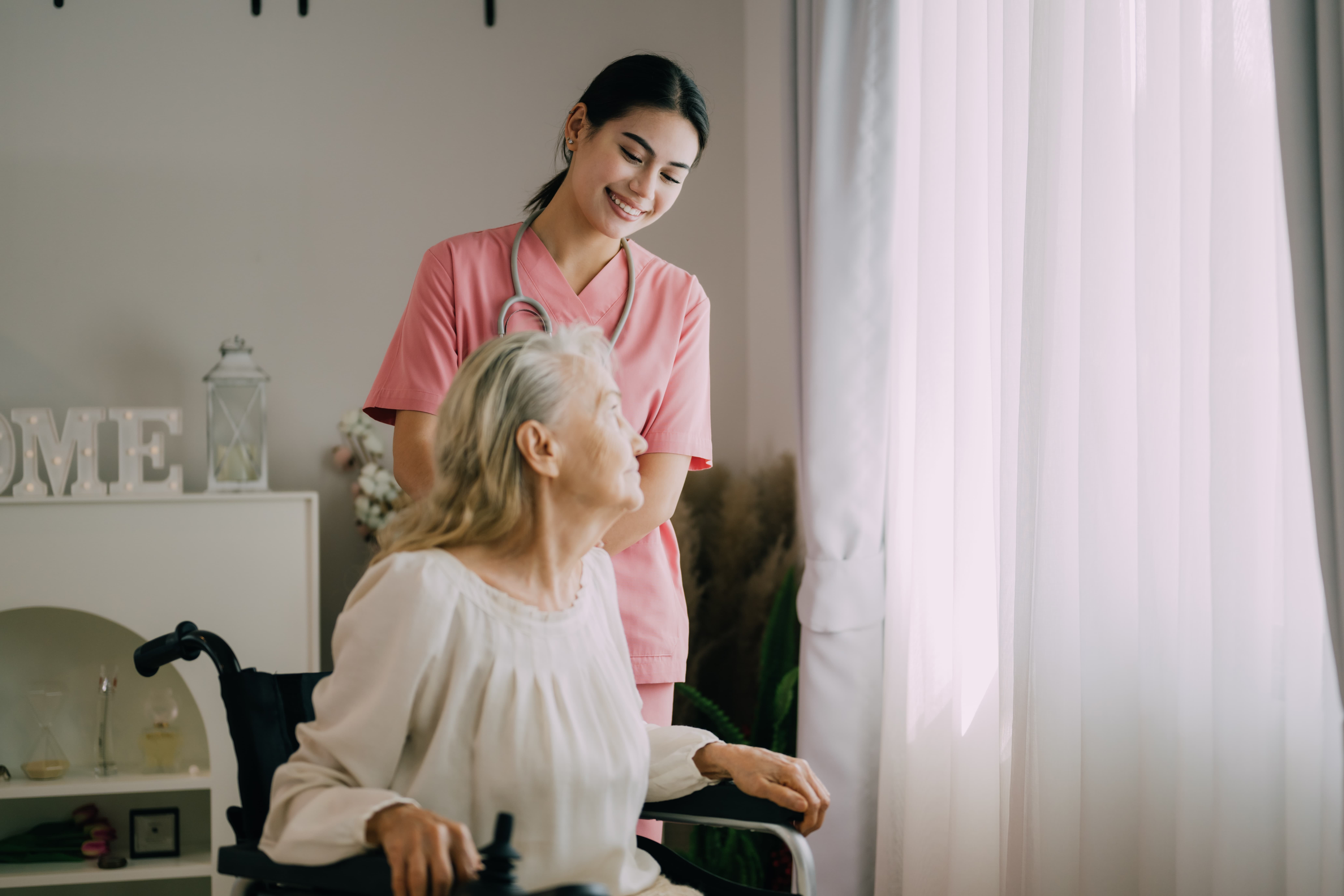
In-home care often aligns best when preserving independence while ensuring the right level of support is in place:
- Maintaining independence.
- Care needs can be managed through flexible care options (overnight, live-in, or 24/7).
- Ongoing communication with family members about daily care.
- Routines help reduce anxiety or agitation that comes from cognitive or memory changes.
- Strong emotional attachment to the home, neighbourhood, or pets that contribute to well-being.
Assurance Home Care specializes in customized in-home support that meets seniors exactly where they are. Care plans are built collaboratively to help families feel informed and supported as needs evolve.
When a Nursing Home May Be the Right Fit
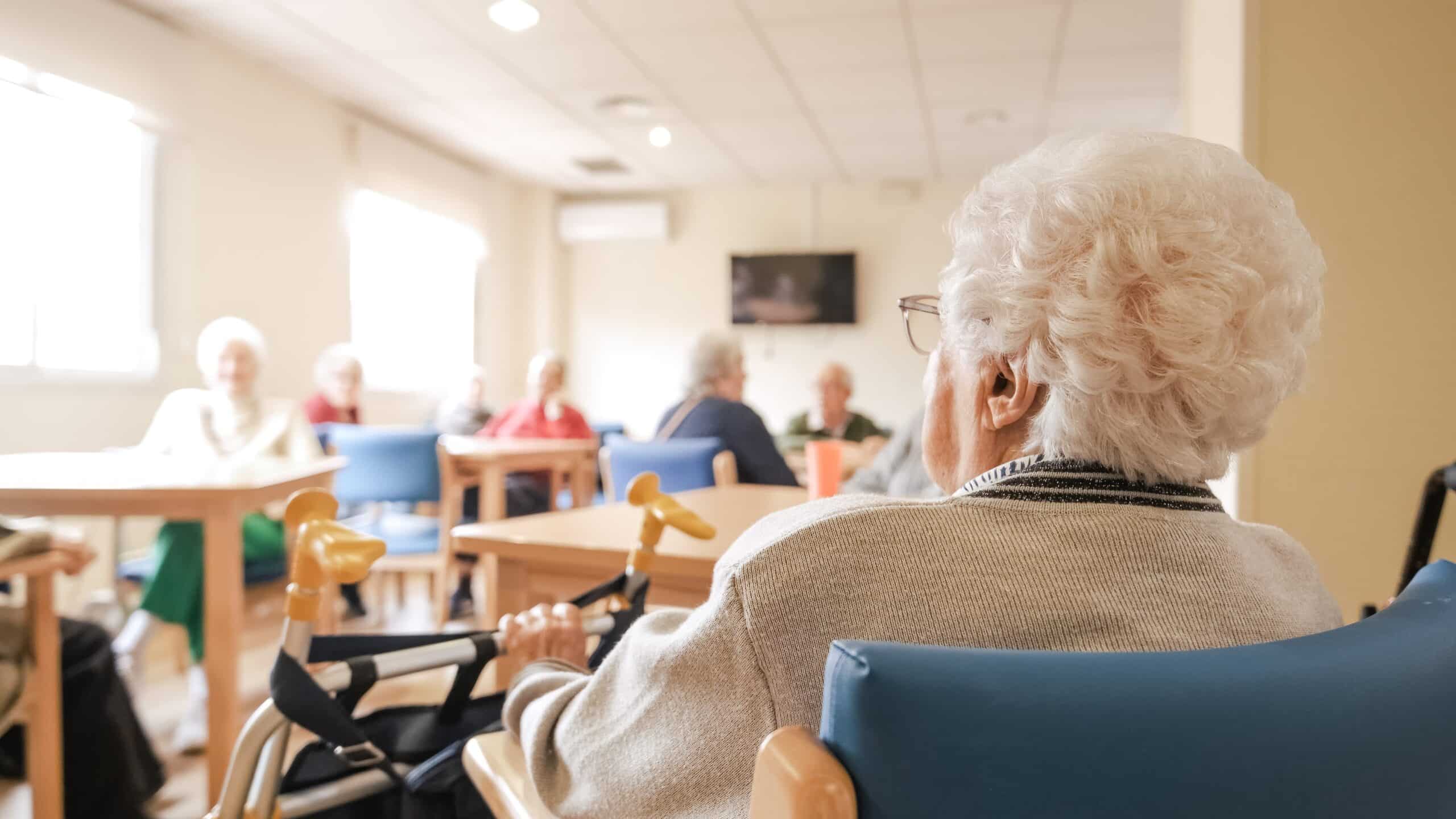
Medical structure and oversight are often necessary to help families feel safer. To make a more informed decision, a nursing home may often be the right fit if:
- Around-the-clock medical supervision is required.
- Advanced medical conditions or mobility challenges require specialized equipment or on-site clinical staff.
- Safety risks cannot always be managed at home; professional support may be required.
- Your parent would thrive in structured environments with frequent group activities.
- Medical stability is the primary concern, outweighing the benefits of remaining at home.
The Emotional Impact of Each Option
| Emotional Consideration | In-Home Care | Nursing Home Care |
| Sense of Dignity | Care happens privately and at the senior’s pace, supporting dignity and personal autonomy. | Shared spaces and set routines may feel less personal, though some adjust comfortably. |
| Mental & Emotional Well-Being | Personal environments support emotional stability and well-being. | Predictable schedules can benefit those who prefer structure. |
| Family Connection & Involvement | Families often feel more connected and involved when care happens at home. | Family involvement typically shifts to scheduled visits and facility-led updates. |
| Sense of Security | Seniors feel emotionally safer in familiar surroundings, people and pets. | Reassurance comes from 24/7 on-site medical oversight. |
How to Decide: Questions to Ask Yourself
- What are the current care needs? Are they expected to increase soon?
- What environment makes your loved one feel safest and happiest?
- How important is routine, privacy, and independence?
- What level of medical support is required?
- What does your loved one want?
Reaching out to one of our care managers can help you understand what level of support is truly needed.
How Assurance Home Care Supports Aging in Place
Both in-home care and nursing homes can play an important role at different times. What matters most is choosing care that preserves independence, respects dignity, and supports overall well-being.
Assurance Home Care supports seniors who want to remain at home with a personalized, flexible approach. Reach out to our team to explore personalized in-home support options with clarity and confidence.
About The Author
Stephen Bleeker
Stephen Bleeker is dedicated to redefining senior care as the CEO and founder of Assurance Home Care. His passion for enhancing the quality of life for seniors is at the heart of the company’s mission, which focuses on supporting aging in place through compassionate, personalized care. With a diverse background spanning music, lifestyle, and entertainment, Stephen brings a unique blend of creativity and strategic insight to the healthcare industry. His knack for innovation, customer experience, and holistic marketing has consistently led to exceptional outcomes, making him a dynamic leader who’s transforming how care is delivered.